From prevention to perfection: understanding the fundamentals of modern oral healthcare

Modern oral healthcare focuses not only on treating dental problems but also on preventing them before they develop into serious conditions. Preventive care, patient education, advanced diagnostic methods, and precise clinical treatment together form the foundation of healthy smiles and long-term oral wellbeing. Students searching for the best dental college in Belagavi increasingly seek institutions that teach comprehensive dental care rather than isolated procedures. At Maratha Mandal Dental College Belagavi, dental education is designed to help students understand the complete journey of oral healthcare, from early prevention to advanced restorative and cosmetic treatments. Adoption of this comprehensive strategy, dental education in Belagavi is enhanced, equipping future dentists with the skills to provide proactive, ethical, and patient-focused care. This ultimately leads to healthier communities and more durable treatment results. The role of preventive care in lifelong oral health Prevention stands at the core of modern dentistry. Regular dental checkups, professional cleanings, early diagnosis, and patient awareness help stop oral diseases before they progress. Dentists today focus on educating patients about proper brushing techniques, nutrition, gum care, and routine monitoring to maintain strong teeth and healthy gums. Students enrolled at a top dental college in Belagavi learn how preventive dentistry reduces the need for complex procedures while improving long-term oral health. Understanding early signs of cavities, gum disease, and enamel damage allows future dentists to intervene at the right time. This proactive care not only protects patients but also builds trust and long-lasting dentist-patient relationships. Preventive education forms a strong clinical foundation that supports both individual wellbeing and community oral health improvement. Advanced clinical techniques for accurate and effective treatment While prevention is essential, modern oral healthcare also relies on advanced clinical methods to restore and enhance dental health when treatment is required. Diagnostic imaging, digital planning, minimally invasive procedures, and precision-based restorations have transformed how dentists approach care. Institutions that emphasise clinical training in Belagavi prepare students to work confidently with modern tools and technologies. At Maratha Mandal Dental College Belagavi, students gain hands-on experience in diagnosis, restorative dentistry, prosthodontics, endodontics, and periodontal care. This exposure ensures that academic knowledge translates into safe and effective real-world treatment. Modern techniques improve comfort, accuracy, and long-term results, allowing dentists to deliver both functional and aesthetic excellence in patient care. Blending patient education with ethical and compassionate practice Successful oral healthcare depends on more than technical skill alone. Clear communication, empathy, and ethical responsibility play a vital role in guiding patients through preventive routines and treatment decisions. When patients understand their oral health condition and feel supported, they are more likely to follow care plans and maintain healthy habits. Dental education that focuses on human skills alongside clinical excellence prepares students for real professional challenges. Students learn how to explain procedures simply, address patient concerns, and maintain trust throughout treatment journeys. This balanced approach strengthens quality dental education in Belagavi by producing professionals who deliver skilled, respectful, and patient-focused care. Modern oral healthcare evolves from strong prevention strategies to precise clinical excellence and compassionate patient engagement. By combining early diagnosis, advanced treatment methods, and continuous patient education, dentists create healthier smiles and long-term oral wellbeing. Through its comprehensive training approach, Maratha Mandal Dental College Belagavi continues to prepare future dentists who deliver proactive, ethical, and high-quality oral healthcare.
Building patient trust in dentistry: the role of communication and care

Patient trust is the foundation of successful dental treatment and long-term oral healthcare relationships. While technical expertise ensures accurate diagnosis and effective procedures, communication and compassionate care shape how patients experience treatment. Many individuals approach dental visits with anxiety, making emotional comfort just as important as clinical precision. Students searching for the best dental college in Belagavi increasingly look for institutions that teach both professional skill and patient-centred care. At Maratha Mandal Dental College Belagavi, dental education focuses on developing clinicians who combine technical excellence with empathy and ethical responsibility. Trust encourages patients to follow treatment plans, attend regular checkups and maintain preventive habits, all of which improve long-term oral health outcomes. This balanced approach strengthens dental education in Belagavi by preparing future dentists to deliver both effective care and positive patient experiences. How communication creates clarity and confidence in treatment Clear communication allows patients to understand their oral health conditions and the procedures involved in their care. When dentists explain treatment steps in simple language, discuss available options openly and answer questions patiently, patients feel informed rather than fearful. Understanding what to expect reduces anxiety and builds cooperation during procedures. Students enrolled at a top dental college in Belagavi benefit when communication training becomes part of clinical education. Learning to listen actively, respond with reassurance and adapt explanations to different patient needs improves trust significantly. These interactions help patients feel respected and valued, which strengthens long-term relationships. Transparent communication also supports ethical practice by enabling informed decision making. Patients who understand their treatment plans are more confident and engaged in their own oral healthcare. Compassionate care that strengthens patient relationships Beyond clinical skill, patients seek comfort, empathy and understanding during dental visits. Compassionate care involves recognising emotional concerns, maintaining a calm environment and showing patience throughout treatment. Simple gestures such as reassurance, gentle handling and attentive listening can transform how patients perceive dental care. Institutions that emphasise clinical training in Belagavi alongside emotional awareness prepare students for real healthcare environments. At Maratha Mandal Dental College Belagavi, students learn to balance precision with kindness, ensuring patients feel safe and supported during procedures. The patient-centred approach reduces fear, improves cooperation and builds loyalty, which is essential for long-term dental health management. Professional growth through ethical and patient-focused practice Trust in dentistry is closely linked to professionalism and integrity. Dentists who prioritise patient wellbeing, provide honest diagnoses and recommend appropriate treatments develop strong reputations within their communities. Ethical responsibility ensures that care decisions are guided by patient needs rather than convenience. Dental education that focuses on ethics, communication and compassionate service prepares students for responsible professional practice. Personal development also includes learning stress management, maintaining patience and continuously improving care standards. Through holistic learning and mentorship, Maratha Mandal Dental College Belagavi strengthens quality dental education in Belagavi by shaping professionals who combine technical expertise with human understanding. Building patient trust in dentistry requires more than clinical knowledge alone. Through clear communication, compassionate care and ethical responsibility, dentists create positive healthcare experiences that support long-term oral health and patient confidence. With its focus on technical excellence and patient-centred learning, Maratha Mandal Dental College Belagavi continues to prepare future dentists to deliver trusted and compassionate dental care.
Beyond Textbooks: The Human and Technical Skills Every Successful Dentist Needs

Modern dentistry goes far beyond academic knowledge and clinical procedures. While textbooks provide the scientific foundation of oral healthcare, successful dentists are shaped through a combination of technical excellence, human connection, ethical responsibility and continuous learning. Students searching for the best dental college in Belagavi increasingly look for institutions that focus not only on academic achievement but also on practical training and personal development. At Maratha Mandal Dental College Belagavi, dental education is structured to build skilled professionals who are confident, compassionate and prepared for real patient care. Dentistry requires precision, responsibility and emotional intelligence. The key to sustained professional success lies in an education that fully integrates robust clinical exposure and personal growth with traditional classroom instruction, equipping students with a comprehensive and essential skill set. This balanced approach strengthens dental education in Belagavi while shaping future ready healthcare professionals. Technical Expertise That Builds Clinical Confidence Technical skills form the backbone of every successful dental career. From diagnosis and treatment planning to performing procedures with accuracy, dentists must master both knowledge and hands-on techniques. Clinical training allows students to transform theory into real-world expertise through supervised patient care and repeated practice. Students enrolled at a top dental college in Belagavi benefit when academic lessons directly connect with clinical experiences. Understanding oral anatomy, pathology, restorative techniques and preventive care becomes more meaningful when applied in real treatment scenarios. Continuous exposure to diverse cases strengthens problem solving abilities and improves technical precision. At Maratha Mandal Dental College Belagavi, strong emphasis on clinical training in Belagavi ensures students gain confidence in handling procedures responsibly while following professional standards. This hands-on approach prepares graduates to transition smoothly into professional practice. Human Skills That Strengthen Patient Trust and Care While technical knowledge treats dental problems, human skills build patient relationships. Successful dentists communicate clearly, listen carefully and show empathy toward patient concerns. Many patients experience anxiety in dental settings, making emotional understanding a crucial part of effective care. Students who develop strong communication skills learn how to explain procedures, discuss treatment options and provide reassurance. These abilities improve patient cooperation and treatment outcomes. Ethical responsibility and professionalism also guide decision making, ensuring patient safety and trust. Institutions that focus on holistic development support both technical excellence and emotional intelligence. This focus strengthens quality dental education in Belagavi by shaping dentists who deliver compassionate and ethical healthcare. Personal Growth That Supports Long Term Career Success Dentistry demands continuous learning and adaptability as technologies and treatment methods evolve. Successful professionals remain open to new knowledge while maintaining discipline and time management skills. Personal growth also involves handling stress, maintaining work life balance and developing leadership abilities within healthcare teams. Students who balance academic responsibilities with clinical practice and self development gain resilience and confidence. Faculty mentorship and supportive learning environments encourage reflection and improvement. These experiences prepare students for real challenges beyond graduation. At Maratha Mandal Dental College Belagavi, education focuses on nurturing complete professionals who combine technical expertise with emotional strength and lifelong learning habits. This approach strengthens dental education in Belagavi by preparing students for sustainable and rewarding careers. Successful dentists are shaped by more than textbooks alone. Through strong technical training, compassionate human skills and continuous personal development, students grow into confident healthcare professionals ready to serve diverse patient needs. With its focus on clinical excellence and holistic education, Maratha Mandal Dental College Belagavi continues to build skilled, ethical and future ready dental professionals.
Inside Dental Education: How Students Balance Clinics, Classes and Personal Growth

Dental education is far more than textbooks and examinations. It is a carefully structured journey that combines academic learning, clinical exposure and personal development to prepare students for real-world healthcare responsibilities. Students searching for the best dental college in Belagavi often look for institutions that offer strong academic foundations alongside hands-on training and supportive learning environments. At Maratha Mandal Dental College Belagavi, dental education focuses on building professional competence while nurturing confidence, discipline and personal growth. Balancing clinical practice with classroom learning requires strong time management, structured guidance and a positive learning culture. When education integrates knowledge with real patient experience, students develop both technical skill and emotional maturity, strengthening dental education in Belagavi and preparing future dentists for long-term success. Managing Academic Learning Alongside Clinical Responsibilities Dental students spend significant time mastering theoretical concepts such as anatomy, pathology, treatment planning and oral health sciences. These academic foundations support every clinical decision they make in real patient care. Structured classroom learning helps students understand procedures before applying them in practice, ensuring accuracy and safety. Students enrolled at a top dental college in Belagavi benefit when academic lessons connect directly to clinical scenarios. Faculty guidance helps students translate theory into action, strengthening comprehension and technical precision. Regular assessments and discussions reinforce learning while building confidence in subject mastery. At the same time, clinical schedules introduce students to real healthcare environments where discipline, punctuality and responsibility become essential. Balancing these demands teaches students how to prioritise tasks, manage workload effectively and maintain consistent academic progress. Clinical Exposure That Builds Professional Confidence and Skills Hands-on clinical training is the heart of dental education. Students work directly with patients under professional supervision, gaining experience in diagnosis, treatment planning and dental procedures. This real-world exposure transforms academic knowledge into practical expertise. Institutions that focus on clinical training in Belagavi prepare students for the realities of dental practice early in their education. Students at Maratha Mandal Dental College Belagavi learn how to communicate with patients, manage procedures and follow ethical healthcare standards. These experiences build confidence, technical competence and emotional awareness. Clinical practice also strengthens problem-solving abilities as students encounter varied dental conditions that require thoughtful decision making. Over time, repeated exposure develops precision, adaptability and professional responsibility. Personal Growth Beyond the Dental Chair Dental education also plays a vital role in shaping personal development. Students learn teamwork through group activities, discipline through structured schedules and leadership through clinical responsibilities. Managing academic pressure while maintaining emotional balance strengthens resilience and maturity. Supportive faculty mentorship encourages open communication and continuous improvement. Students grow not only as healthcare professionals but also as confident individuals capable of handling stress, responsibility and long-term career challenges. The holistic approach strengthens quality dental education in Belagavi by developing professionals who combine technical expertise with ethical values and personal strength. Balancing clinics, classes and personal growth is a defining part of modern dental education. Through structured academic learning, strong clinical exposure and continuous personal development, students gain the skills and confidence required for successful dental careers. With its focus on practical training and holistic development, Maratha Mandal Dental College Belagavi continues to shape capable, compassionate and future-ready dental professionals.
How Dental Colleges Train Students in Patient Communication

Why communication matters as much as clinical skill Dentistry is not only about instruments, procedures, and diagnosis. A dentist spends every working day speaking with people who may arrive scared, confused, hesitant, embarrassed, or unsure about what is happening inside their mouths, which means communication becomes as essential as clinical technique. Strong patient communication builds trust, reduces anxiety, increases treatment acceptance, and improves health outcomes. That is why modern dental education puts communication training right beside clinical training, especially in institutions committed to shaping confident and compassionate graduates. Communication begins inside the classroom, but it grows in the clinic The journey usually starts with theoretical lessons where students learn concepts such as empathy, listening skills, professional etiquette, body language, and cultural sensitivity. Teachers introduce case discussions, role-plays, and simulated patient scenarios that allow students to practice speaking without fear of making mistakes. However, the deeper transformation occurs when learners enter live clinical settings and begin interacting with real people under supervision. In environments like Maratha Mandal Dental College, faculty members guide students as they greet patients, explain procedures, ask medical questions, and handle concerns in a respectful and reassuring way, helping theory evolve into lived experience. Building confidence through guided interactions Early patient interactions often feel intimidating for students, because they must balance examination, treatment explanation, and patient comfort at the same time. Dental colleges reduce this fear by using step-by-step exposure. First, students observe their mentors communicating. Next, they speak to patients with supervision. Gradually, they take the lead while faculty listen, correct, and encourage. Over time, students learn how to introduce themselves politely, ask open-ended questions, summarize patient concerns clearly, and explain treatment options without sounding technical or dismissive. Communication becomes natural instead of forced. Teaching empathy, not just information Good dentists do not simply give instructions. They connect emotionally. Dental colleges emphasize empathy training because many patients carry anxiety related to pain, financial concerns, or previous negative experiences. Students learn to acknowledge fear instead of ignoring it, reassure without making false promises, and create space for patients to express doubts. When empathy guides interaction, patients feel safe, and cooperation improves significantly. Colleges also reinforce the idea that every person deserves respect regardless of background, social status, language, or age. Turning complex science into simple language Clinical knowledge is complex, and patients often do not understand medical terms. Dental colleges train students to translate scientific explanations into everyday language without losing accuracy. Students practice explaining cavities, gum disease, x-rays, anesthesia, and post-treatment care using clear examples, visual aids, and gentle repetition. The goal is not to sound “smart,” but to ensure patients truly understand what will happen and why it matters. Clear explanations reduce fear, increase trust, and support ethical, informed consent. Handling difficult conversations professionally Not every conversation is easy as sometimes dentists must discuss financial costs, behavior issues, poor oral habits, or treatment limitations. Colleges prepare students for these moments through workshops, role-plays, and reflective discussions. Students learn how to remain calm, avoid blame, stay respectful, and guide patients toward healthier choices instead of lecturing. When disagreements occur, they practice de-escalation, active listening, and compromise. Professionalism becomes a habit rather than a performance. Mentorship shapes communication style Faculty influence matters deeply because students watch how teachers speak, how they sit beside the patient, how they listen, and how they respond to criticism. At Maratha Mandal Dental College, experienced clinicians model compassionate, patient-centered behavior so students gradually develop their own confident, respectful communication style. Mentors also encourage reflection after appointments, asking students what worked, what failed, and how they might communicate better next time. Preparing students for real-world practice When communication skills strengthen alongside clinical skill, graduates step into practice with greater maturity. They understand how to build rapport, maintain patient loyalty, manage challenging cases, and communicate across different age groups and communities. Strong communication reduces misunderstandings, supports ethical care, and leads to healthier long-term relationships. Dental colleges that prioritize communication training ultimately create safer, kinder, and more effective healthcare environments. From Classroom Words To Chairside Confidence Great dentistry grows stronger when communication and clinical skill evolve together. When students learn to listen with patience, explain with clarity, and respond with empathy, every appointment becomes safer and more comfortable for the patient. Training environments like Maratha Mandal Dental College create spaces where communication is practiced, reflected on, and constantly improved, so graduates step into real clinics ready to build trust, guide families, and serve communities with confidence and care.
Why Clinical Exposure Matters More Than Theory in Dental Education

Where real learning begins in dentistry Every strong dental education program builds its foundation inside classrooms filled with lectures, models, and carefully structured explanations, yet the true transformation begins when dental students step into the clinical space and finally witness how everything they studied now appears in living, breathing situations, where decisions carry meaning and responsibility. When students move from theory to guided practice, clinical exposure in dental education allows knowledge to shift from memory into understanding, slowly shaping minds that think like doctors instead of students who only reproduce answers. Theory explains dentistry. Clinics teach how to practice it. Textbooks describe diseases in tidy formats and well-defined stages, but real patients rarely arrive with simple stories because fear, lifestyle, medical history, and expectations constantly influence what the dentist must choose to do. Through structured clinical training, students begin learning how to examine carefully, identify subtle warning signs, discuss realistic treatment plans, and adjust their approach when new information appears, which means judgment finally grows beyond the page and turns into real decision-making that no classroom alone can provide. Hands-on dental training builds real skill Confidence never rises from written notes; it grows when students repeatedly engage in supervised procedures where mentors correct, guide, and encourage until movements become controlled and thoughtful. During hands-on dental training, learners understand how instruments feel in the hand, how infection control protects everyone involved, how chairside communication keeps patients calm, and how technology in modern dentistry supports safer and more accurate outcomes, creating graduates who enter internships and early practice with steady composure instead of hesitation. Patient-centered dental care grows through experience Great dentists learn that the patient sitting in the chair brings emotions, worries, questions, and personal pressures that must be respected, and clinical experience gradually teaches that gentle explanations, patient listening, and sincere reassurance often matter just as much as the procedure itself. As students develop a deeper sense of patient-centered dental care, they begin understanding how trust forms over time, how cooperation improves when people feel heard, and how truly caring dental professionals combine empathy with science to create healthier outcomes. Ethics and responsibility cannot exist only in theory Ethical practice looks simple inside a textbook, but real clinics reveal what responsibility truly means, because confidentiality, accurate documentation, informed consent, punctuality, and respectful behavior suddenly affect real individuals rather than hypothetical cases. Through continuous clinical training, supervisors help students navigate difficult choices and understand consequences, and gradually those lessons shape thoughtful, careful, and accountable future-ready dentists who recognize that integrity forms the backbone of healthcare. Preparing students for real careers and real communities Healthcare keeps evolving, and colleges that integrate meaningful clinical learning prepare students not only for routine procedures but also for outreach programs, research paths, specialization opportunities, and leadership roles within the profession. Institutions like Maratha Mandal Dental College, widely respected as a leading dental college in Belagavi and chosen by many who search for the best dental college in Belagavi, design programs where clinical experience stays central to growth, allowing graduates to step into practice with clarity, adaptability, and a sense of genuine purpose toward the communities they serve. Final takeaway Theory creates direction, but clinical experience gives life to that direction by shaping confidence, empathy, and sound judgment, which together prepare graduates to meet real people with real needs in a constantly advancing world of modern dentistry, where knowledge matters most when it becomes care.
Why Regular Dental Checkups Are Important: A Scientific Perspective

Regular dental checkups may seem ordinary but they are vital for protecting your long-term health. Science shows that the mouth works like a window to the body. Tiny changes inside the oral cavity can signal disease, infection, nutritional issues, and systemic health concerns. Consistent visits to the dentist help catch those signals early and guide safer, smarter care. Students and aspiring dental professionals at Maratha Mandal Dental College learn how preventive visits shape healthier communities and more confident smiles. Early detection protects oral tissues and overall health Small cavities, bleeding gums, white patches, or tiny lesions may not hurt initially. Research shows that many oral diseases develop quietly before turning painful. Early detection gives dentists time to reverse or control damage while treatment remains simpler and more affordable. Bacteria from untreated gum disease can travel into the bloodstream and influence the heart, lungs, and metabolic functions. Scientific literature connects periodontal disease with diabetes complications, cardiovascular risk, and adverse pregnancy outcomes. Regular dental checkups reduce those risks by stopping inflammation early. Learners gain strong clinical understanding of these links during structured training at a leading dental college in Belagavi. Professional cleaning reduces microbial load Home brushing and flossing matter. Professional dental cleaning adds an essential layer of protection. Dental instruments disrupt hardened tartar, plaque, and biofilm that household tools cannot remove. Removing microbial buildup reduces cavity-causing bacteria and lowers gum inflammation. Cleaner tooth surfaces also allow fluoride and remineralizing agents to work effectively. Protected enamel resists acid breakdown and slows tooth decay progression. Guided education at Maratha Mandal Dental College reinforces preventive habits that last Screening helps detect cancers and precancerous changes Oral cancer often begins silently. Visual screening during routine dental visits allows dentists to notice suspicious patches, ulcers, or tissue changes. Scientific protocols encourage early biopsy and referral when needed. Survival rates improve dramatically when detection happens in earlier stages. Habit histories, including tobacco and alcohol use, inform prevention strategies. Patients receive counseling while dentists monitor changes over time. Checkups support preventive dentistry instead of emergency dentistry Preventive care costs less, saves time, and protects natural teeth. Many emergencies like severe pain, swelling, or broken teeth often begin as small untreated problems. Regular preventive dentistry focuses on identifying risks before they turn into urgent situations. Healthier habits grow naturally when dentists explain brushing techniques, flossing methods, diet guidance, and lifestyle choices. Patients leave appointments informed and confident about caring for their mouths. Scientific perspective links oral health to body health Growing research confirms a close connection between oral health and systemic health. Chronic inflammation in the mouth creates biochemical changes that influence immunity, hormones, and metabolic balance. Strong oral health supports long-term wellness and daily comfort. Faculty at Maratha Mandal Dental College train students to approach care scientifically, compassionately, and ethically, strengthening trust between dentists and patients.
Pediatric Dentistry Explained: Why Children Need Special Care

Dental care for children requires an approach that differs significantly from adult dentistry, as growing teeth, developing jaws, and evolving behavioural patterns demand specialised understanding and carefully adapted clinical methods. Pediatric dentistry focuses on guiding oral health from infancy through adolescence, ensuring that early dental experiences support healthy development while preventing long-term complications that can arise if care is delayed or improperly managed. Understanding Pediatric Dentistry Within Dental Education Pediatric dentistry is a specialised branch of dentistry dedicated to the oral health of infants, children, and adolescents, addressing both preventive and therapeutic needs during critical stages of growth. Within structured dental education, this discipline helps students understand how growth patterns, developmental milestones, and behavioural factors influence diagnosis and treatment. At Maratha Mandal Dental College, pediatric dentistry is introduced as an essential component of training to ensure dental students appreciate the distinct clinical and psychological considerations involved in treating young patients. Why Children Require a Different Dental Approach Children are not simply smaller adults, as their oral structures are continuously developing and more susceptible to certain conditions such as early childhood caries, malocclusion, and enamel defects. Pediatric dentistry emphasises gentle techniques, preventive strategies, and age-appropriate communication to create a positive dental environment. A progressive dental college in Belagavi recognises that specialised pediatric care plays a critical role in shaping lifelong oral health habits. Role of Clinical Training in Pediatric Dentistry Effective pediatric dental care relies heavily on structured clinical training, where students learn to manage child behaviour, perform preventive procedures, and recognise developmental abnormalities at early stages. Exposure to real pediatric cases during hands-on dental training helps students build confidence and clinical judgement while understanding the importance of patience and communication. Strong pediatric training contributes significantly to well-rounded clinical competence. Preventive Focus and Early Intervention Preventive care lies at the heart of pediatric dentistry, as early detection of dental issues reduces the need for complex interventions later in life. Fluoride applications, sealants, dietary counselling, and regular monitoring form the foundation of child-focused dental care. Institutions delivering quality dental education in Belagavi emphasise prevention as a primary responsibility of future practitioners, aligning clinical practice with long-term oral health outcomes. Supportive Role of Dental Laboratories Although pediatric dentistry is clinically focused, dental laboratories play an important role in fabricating space maintainers, habit-breaking appliances, and other child-specific devices that support proper oral development. Understanding laboratory coordination helps students connect clinical diagnosis with appliance design, strengthening pre-clinical and clinical exposure across pediatric cases. Pediatric Dentistry in Modern Dental Practice In modern dentistry, pediatric care integrates behavioural science, preventive protocols, and minimally invasive techniques to improve treatment acceptance and outcomes. Digital records, child-friendly diagnostic tools, and improved materials have enhanced accuracy and comfort in pediatric procedures. Such advancements reinforce the need for specialised pediatric training within contemporary dental curricular. Ethical and Patient-Centered Care for Children Treating children ethically requires sensitivity, informed consent, and a strong commitment to patient-centered dental care, where comfort and trust are prioritised alongside clinical outcomes. Pediatric dentistry trains students to communicate effectively with both children and parents, supporting transparent decision-making and responsible treatment planning. This foundation strengthens ethical dental practice and prepares future dental professionals to handle diverse patient needs. Building Future-Ready Dentists Through Pediatric Dentistry Pediatric dentistry shapes how future practitioners approach prevention, communication, and long-term care, making it a vital component of comprehensive dental training. Selecting the right dental college in Belagavi influences how effectively these values are instilled, and through structured academics, clinical exposure, and patient-focused learning, Maratha Mandal Dental College continues to deliver high-quality oral healthcare education, reinforcing its reputation as the best dental college in Belagavi while preparing future-ready dentists capable of providing compassionate and competent care to the youngest patients.
What Is Oral Pathology? A Beginner’s Guide for Students
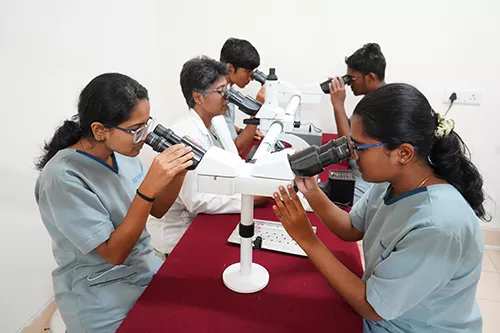
Oral pathology forms the scientific foundation for understanding diseases affecting the oral and maxillofacial region, making it one of the most critical subjects in dental education despite often being introduced at an early academic stage. For beginners, oral pathology bridges basic medical science and clinical dentistry by helping students recognise how normal oral tissues change under disease conditions and how these changes influence diagnosis, treatment planning, and long-term patient care. Understanding Oral Pathology in Dental Education Oral pathology focuses on the study of diseases affecting the oral cavity, jaws, salivary glands, and related structures, combining clinical observation with microscopic and laboratory analysis. Within structured dental education, this subject trains students to identify abnormalities, understand disease progression, and correlate clinical findings with histological evidence. Institutions such as Maratha Mandal Dental College integrate oral pathology early in the academic journey to help dental students develop diagnostic thinking alongside theoretical learning. Why Oral Pathology Matters for Dental Students Oral pathology offers essential insight for new dental students, explaining the appearance of lesions, the progression of infections, and how systemic diseases can present within the mouth. This subject sharpens observation skills and strengthens analytical thinking, both of which are essential for safe clinical practice. A well-established dental college in Belagavi emphasises oral pathology as a core discipline because accurate diagnosis forms the basis of effective and ethical treatment. Linking Theory With Clinical Training Oral pathology does not remain confined to textbooks, as its relevance becomes increasingly clear during clinical training, where students encounter real patient cases with complex presentations. Understanding pathological changes allows students to interpret symptoms, radiographic findings, and tissue responses more confidently. Strong integration of oral pathology within hands-on dental training ensures that students transition into clinics with a deeper understanding of disease rather than surface-level recognition. Role of Dental Laboratories in Oral Pathology Laboratory work plays a vital role in oral pathology by enabling microscopic examination, slide preparation, and tissue analysis, which help confirm clinical diagnoses. Exposure to dental laboratories allows students to understand how biopsy samples are processed and how laboratory findings support clinical decisions. This experience strengthens pre-clinical and clinical exposure, reinforcing the connection between observation and scientific evidence. Oral Pathology and Modern Dentistry In modern dentistry, oral pathology supports early detection of conditions such as oral cancers, precancerous lesions, infections, and developmental abnormalities, contributing directly to improved patient outcomes. Digital microscopy and advanced diagnostic tools have further enhanced accuracy, making pathology an evolving discipline rather than a static academic subject. Institutions offering quality dental education in Belagavi ensure that students are familiar with both traditional pathology concepts and emerging diagnostic approaches. Ethical Practice and Patient-Centered Care A strong foundation in oral pathology supports ethical dental practice by reducing misdiagnosis and unnecessary procedures while improving patient communication and trust. Understanding disease processes allows students to explain conditions clearly and recommend appropriate treatment options, aligning clinical decisions with patient-centered dental care. Such ethical awareness is a key expectation placed on future dental professionals. Preparing Future-Ready Dentists Through Oral Pathology A strong foundation in oral pathology supports ethical dental practice by reducing misdiagnosis and unnecessary procedures while improving patient communication and trust. Understanding disease processes allows students to explain conditions clearly and recommend appropriate treatment options, aligning clinical decisions with patient-centered dental care. Such ethical awareness is a key expectation placed on future dental professionals.
Digital Dentistry: How Technology Is Transforming Modern Dental Practice

Dentistry has entered a phase where clinical expertise is increasingly supported by digital precision, reshaping how diagnosis, treatment planning, and patient care are delivered in contemporary practice. Digital dentistry represents a shift from manual dependency to technology-assisted accuracy, allowing dental professionals to enhance efficiency while maintaining clinical integrity. This transformation is redefining expectations within dental education, particularly for students preparing to enter a rapidly advancing healthcare environment. Technology as an Extension of Clinical Judgement Digital tools in dentistry are not replacing clinical judgement but extending it by providing clearer insights and more predictable outcomes. Technologies such as digital imaging, computer-aided design, and virtual simulations allow dental students to visualise anatomical structures with greater clarity and plan treatments with enhanced precision. Students at Maratha Mandal Dental College receive a structured dental education that progressively integrates modern technologies. This approach ensures that theoretical knowledge is reinforced by practical, applied digital exposure, moving beyond mere isolated demonstrations. Changing the Way Dental Students Learn and Practice The learning experience for dental students has evolved significantly with the integration of digital systems into academic and clinical environments. Pre-clinical exercises that once relied heavily on manual interpretation are now supported by digital diagnostics and simulation-based learning, enabling students to understand procedural accuracy before transitioning to real patient care. A progressive dental college in Belagavi recognises that early exposure to digital workflows strengthens confidence and reduces clinical uncertainty. Enhancing Clinical Training Through Digital Tools Clinical training benefits greatly from digital integration, particularly in areas such as diagnosis, treatment planning, and patient communication. Digital radiography, intraoral scanning, and chairside visualisation tools improve accuracy while allowing students to understand treatment outcomes more clearly. Strong clinical training frameworks that incorporate digital tools ensure that students develop competence aligned with modern practice expectations, reinforcing the value of comprehensive hands-on dental training. Precision and Efficiency in Modern Dentistry Modern dentistry places a strong emphasis on precision, efficiency, and patient comfort, all of which are enhanced through digital systems. Computer-guided procedures and digitally designed restorations reduce treatment time while improving accuracy. Dental institutions offering quality dental education in Belagavi increasingly integrate these technologies into their dental curriculum, ensuring that graduates are prepared for real-world clinical environments rather than idealised academic settings. Role of Dental Laboratories in the Digital Era The evolution of dental laboratories has been central to the growth of digital dentistry, as traditional manual fabrication processes are now supported by digital design and manufacturing technologies. Dental students benefit from understanding how digital workflows connect clinical practice with laboratory execution, creating smoother coordination and predictable results. Exposure to digitally enabled laboratory processes strengthens pre-clinical and clinical exposure, bridging academic learning with professional application. Patient-Centered Care Through Digital Innovation Digital dentistry enhances patient-centered dental care by improving communication, transparency, and treatment predictability. Visual treatment plans and digital records allow patients to better understand procedures, building trust and informed decision-making. Training environments that prioritise ethical integration of technology support the development of ethical dental practice, ensuring that innovation serves patient well-being rather than convenience alone. Preparing Future-Ready Dental Professionals As dentistry continues to evolve, the ability to adapt to digital technologies becomes a defining attribute of competent practitioners. Developing strong clinical skills development alongside digital literacy prepares students for long-term professional relevance. Choosing the right dental college in Belagavi plays a critical role in this preparation, and through its focus on innovation, structured learning, and applied technology, Maratha Mandal Dental College continues to deliver forward-looking oral healthcare education, strengthening its reputation as the best dental college in Belagavi and shaping future-ready dentists equipped for modern practice